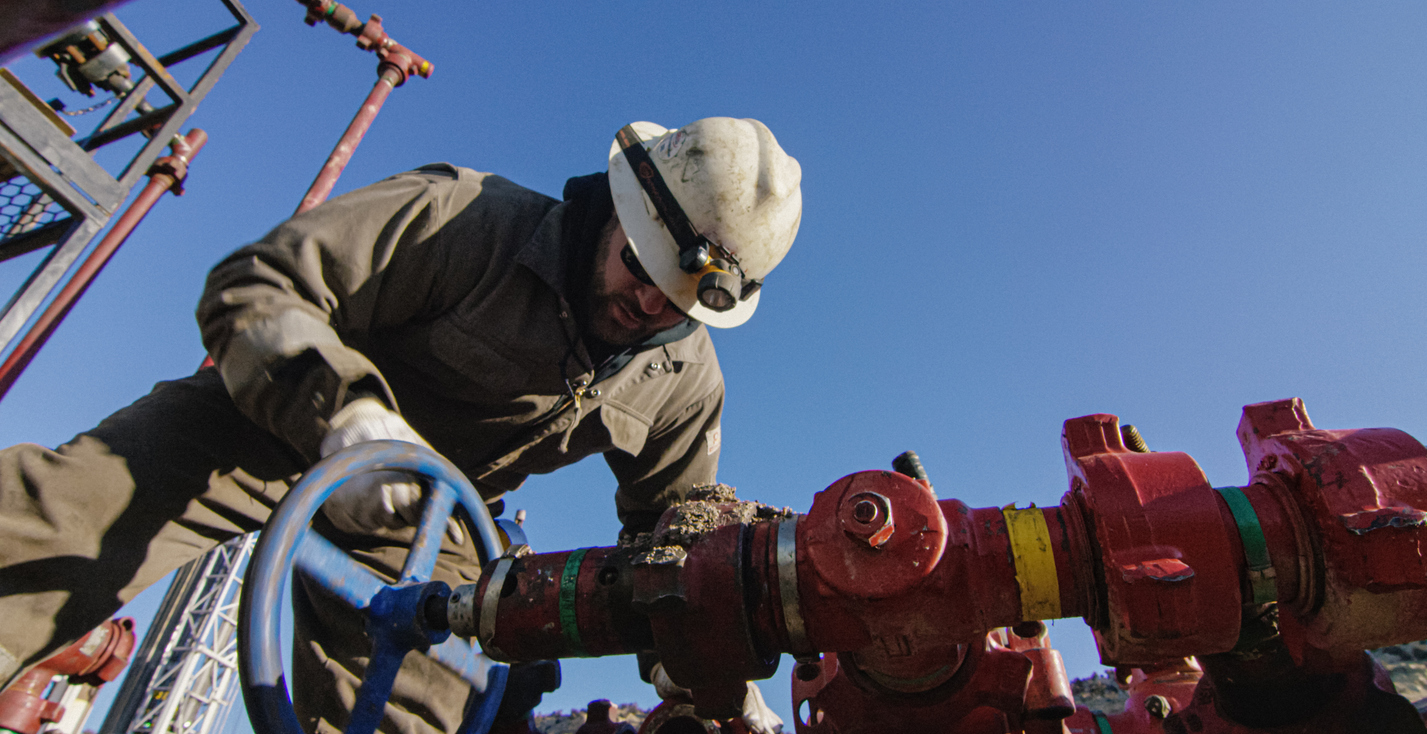
When workers’ compensation falls short after an oil drilling injury, you can usually recover money by filing a third-party personal injury claim against whoever caused your harm. Texas opens this door wider than most states, because it lets private employers skip comp coverage completely, and a busy drilling site almost always puts several companies within reach of a claim.
Texas stands alone in letting private employers skip workers’ compensation altogether. When your employer opted out, you keep the right to sue for every dollar of your losses, and under Texas Labor Code § 406.033, that employer cannot blame your own carelessness, argue you assumed the risk, or hide behind a coworker’s mistake.
Losing comp coverage is only one route to a lawsuit after a rig accident in Midland, Texas. Several other drilling-site situations can each support a claim on their own, and they include the following:
Any of these facts points toward money that benefits will never provide. A careful oilfield injury review looks at who controlled the site, which safety rules applied, and how the accident actually unfolded before anyone assigns blame.
Yes. When someone other than your direct employer caused the injury, you can file a personal injury lawsuit that reaches the full range of your losses. A working rig ties many companies together at once, so responsibility for a single accident often spreads across more than one business.
The list of parties who can be held responsible on a well site is longer than most injured workers expect. Depending on how the accident happened, the party that owes you money might be any of these:
Every one of these defendants carries separate insurance, which raises the total money available to you. A single blowout, fall, or equipment failure can turn into claims against three or four companies at once.
A third-party claim reaches losses that workers’ comp checks never touch. The final number tracks how serious the harm is and how deeply it cuts into your power to earn a living and live normally in the years ahead.
Money from a third-party claim is meant to cover far more than a stack of hospital invoices. A well-built claim accounts for the full weight of what the injury takes from you, including the following:
Explosions and flash fires can cause some of the most severe and expensive burn injuries on an oil rig, often requiring years of surgeries, rehabilitation, and ongoing care. A complete assessment of your damages helps prevent an insurer from undervaluing your claim.
You generally have two years from the date of the injury to bring your case. Under Texas Civil Practice and Remedies Code § 16.003, missing that two-year window almost always ends your right to recover anything, no matter how clearly another company was at fault.
The two-year rule sounds simple, but real cases do not always fit a clean timeline. A handful of factors can move that deadline, so the timing of your claim deserves attention right away, especially in these situations:
Some oil rig injuries, particularly those caused by toxic exposure, may not appear for months. Acting promptly helps preserve critical evidence and protects your ability to pursue every available legal claim.
A serious rig injury piles on medical bills and lost income fast, and the two-year deadline leaves less time than it seems. Let Chad Jones Law take on the insurers while you put your energy toward getting better. With over $100 million recovered and a 5-star, client-focused approach, our firm answers at any time, day or night, and stays with you long after the case ends. Call (979) 595-5000 or contact us online for a case review.