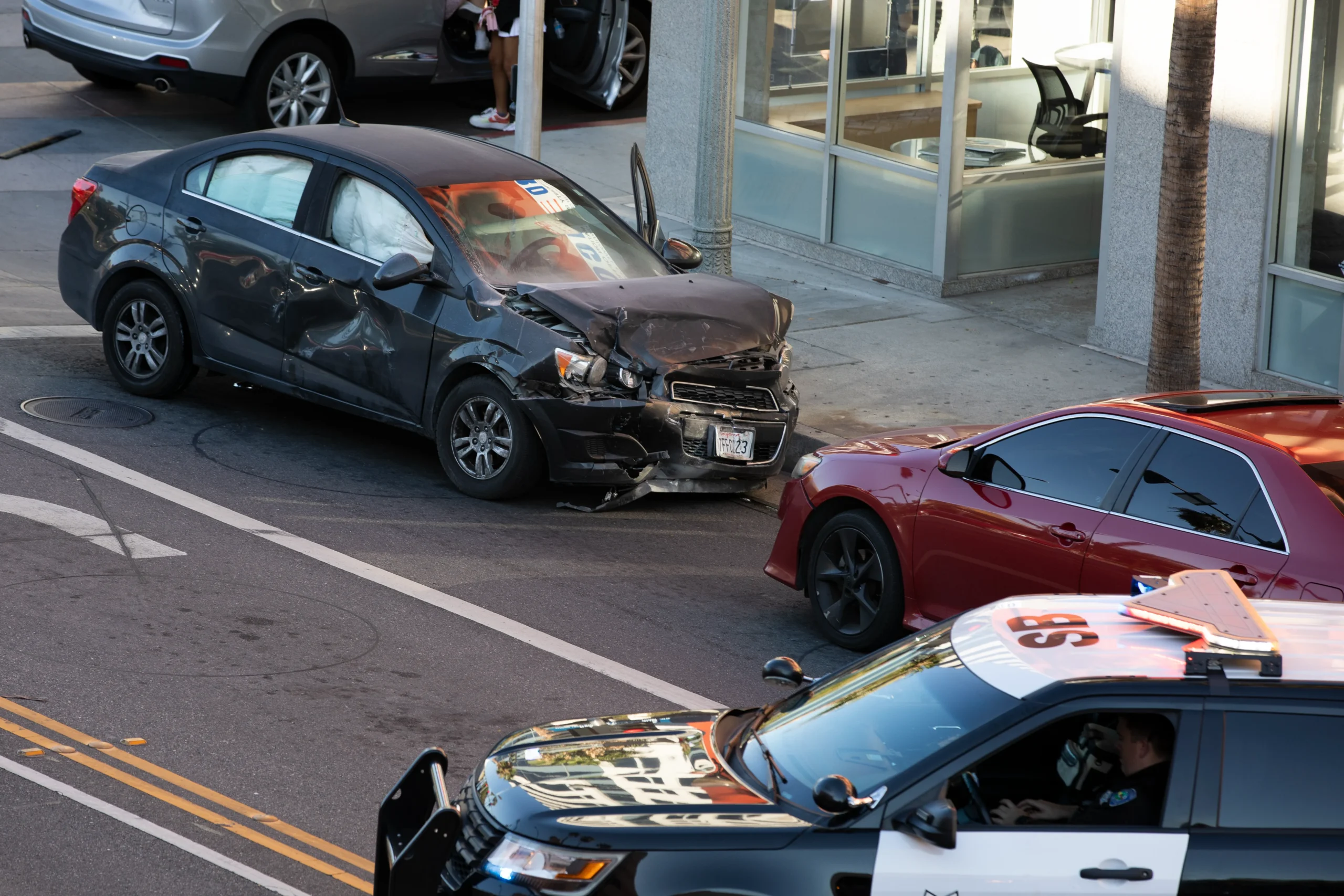
Texas Route 285 accidents have a fatality risk far above the state average because a two-lane ranch road now hauls interstate-level oilfield traffic. Head-on wrecks with loaded tankers are the signature crash on this corridor. Injured drivers and grieving families ask these questions most often.
Locals gave US-285 that name because oilfield traffic outgrew the pavement years ago. Crashes across the Permian Basin have climbed 67% since 2016, and deaths have risen 97%. The region holds only 1.6% of the state’s population while accounting for 12% of all traffic fatalities. Recent numbers show the gap widening rather than closing.
Head-on collisions dominate, and most of them start when a driver swings into the opposing lane to pass a slow tanker convoy. The size and weight gap between a passenger vehicle and a loaded tanker often decides the outcome of truck wrecks on this road. Other crash patterns reported along the corridor include the following:
Time of day changes the risk as much as traffic volume does. Shift changes push convoys onto the highway before dawn and after dark. Unlit miles hide livestock, stalled vehicles, and slow-moving equipment until headlights are right on top of them.
Fatigue and demanding work schedules contribute heavily to crashes along these roads. Long oilfield shifts and drives between remote sites increase the risk, while ordinary car accidents can become deadly when a 40-ton rig is involved. Common factors in local crashes include:
Blame for those conditions spreads well past the person behind the wheel. Dispatchers who set impossible schedules and companies that skip maintenance build the conditions that make a crash more likely.
More than one company usually shares responsibility. Oilfield work moves through layers of contractors and subcontractors, so a claim in Texas can involve several defendants and several separate insurance policies. Parties that may owe you money include:
Your own actions factor into the outcome as well. Under Texas Civil Practice and Remedies Code § 33.001, you recover nothing once a jury assigns you more than 50% of the responsibility, and any award shrinks by whatever share of fault lands on you.
No. A citation helps your claim, though civil liability turns on negligence rather than on what a trooper decided at the roadside. Investigators working a rural stretch often clear the wreckage before the full picture emerges, and records pulled later from the truck’s engine control module (the onboard device that logs speed, braking, and other data), dispatch logs, and maintenance files regularly shift fault back onto the carrier.
State highway planners are converting the two-lane corridor into a four-lane divided highway with a center median and wider shoulders. The 51-mile stretch running north toward the New Mexico line saw traffic grow 34.5% in a five-year period and recorded 839 crashes over that same span. That volume is why the work was split into three separate projects.
Construction moves more slowly than the truck traffic does. Until those medians exist, drivers through Pecos and the Interstate 20 junction still share narrow lanes with rigs hauling water, sand, and crude, and accidents on Texas Route 285 keep filling emergency rooms across West Texas.
Call 911 so troopers can document the crash and gather witness information before anyone leaves the scene. Photograph every truck involved, including company logos, door markings, and trailer numbers, because the carrier operating the rig may differ from its owner.
Get examined at a hospital even when you feel fine at the roadside. Adrenaline masks internal bleeding and spinal damage for hours, and catastrophic injuries sometimes announce themselves days after a wreck.
Skip the recorded statement that a carrier’s adjuster asks for in the first days. Those calls exist to lock you into one version of events before anyone pulls the truck’s electronic data or reads the trooper’s finished report.
Medical bills, lost income, and pain and suffering form the core of most injury claims. The figures climb fast once a tanker is involved in a collision. Future costs weigh as heavily as current ones, since a spinal fusion or an amputation carries decades of therapy, equipment, and home modifications.
Families who lose someone may also pursue funeral expenses, lost household support, and the loss of companionship that no invoice ever captures.
Two years from the date of the crash in most injury cases, and two years from the date of death for a wrongful death claim. But waiting that long costs you proof.
Carriers overwrite electronic logging records, repair damaged rigs, and reach quiet agreements with other parties long before anyone files suit. Claims involving a city, county, or state vehicle run on far shorter notice deadlines, sometimes a matter of months.
Insurance adjusters for oilfield carriers move within hours of a wreck, and the first call they make is never to you. At Chad Jones Law, backed by a 5-star client rating and more than 100 years of combined work in injuries, accidents, insurance claims, and tort law, we answer the phone 24 hours a day, 7 days a week, and our attorneys stay in touch long after a file closes.
Call (979) 595-5000, reach the Lubbock office at (806) 450-9667, or contact us online about accidents on Texas Route 285.