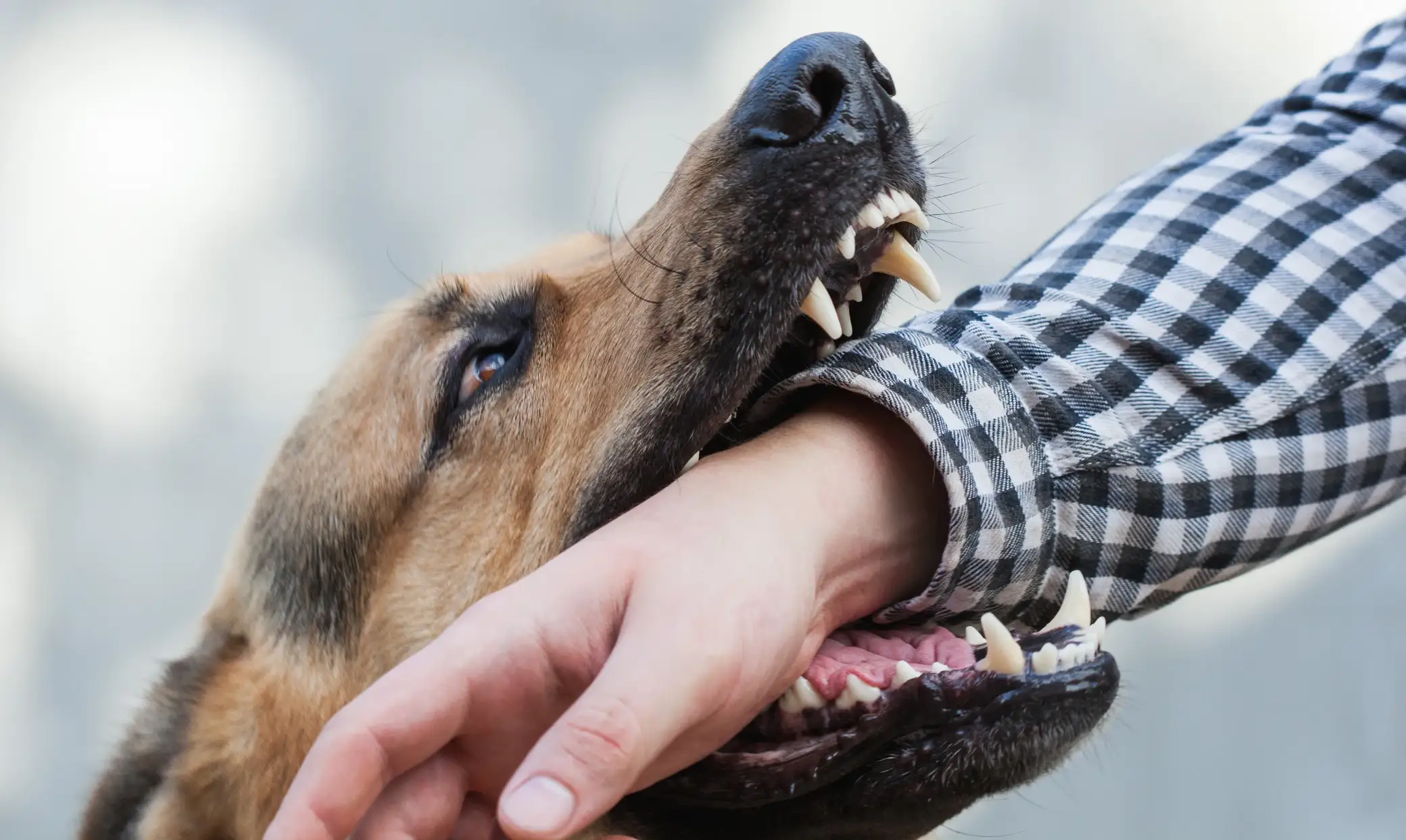
You were bitten by a dog and now you are dealing with wounds, medical appointments, and questions about what your injury actually means for a legal claim. The level of your dog bite injury is one of the first things insurers and courts look at when evaluating what you are owed.
Even “minor” bites can carry medical costs and emotional consequences, while more serious attacks may have long-term effects on your daily life. The specific dog bite level directly shapes how responsibility is assigned and what compensation you may be entitled to recover.
Not all dog bites are the same, and Texas law considers the difference between superficial scratches and more serious, life-altering injuries when evaluating liability. Courts and insurers examine the extent of physical harm, medical treatment, and long-term effects on your quality of life. Factors like ongoing medical needs, scarring, and functional limitations all influence the claim’s overall value.
Medical documentation is the foundation for proving the bite’s severity. Emergency room visits, surgical procedures, physical therapy, and follow-up appointments all signal the seriousness of the injury. Permanent scarring or nerve damage can elevate a claim, affecting both compensation and the potential for litigation.
Dog bite levels are a veterinary classification system that categorizes injuries by depth, tissue involvement, and long-term consequences. This framework gives medical and legal professionals a shared starting point for evaluating injury severity and determining how it affects a claim. Some dogs, particularly those with the highest bite pressure, can inflict level 3 injuries even with a single attack, making the extent of the damage a major factor in determining liability and claim value.
Level 1 (superficial) bites generally result in short-term pain and discomfort. Cleaning the wound, applying antiseptics, and monitoring for infection are often sufficient for recovery. While these injuries rarely leave lasting marks, medical documentation remains important to show that treatment was necessary.
Compensation for minor injuries usually covers immediate medical expenses and brief lost income. Emotional effects, such as fear of animals, may also be considered, especially for children or individuals with prior trauma.
Level 2 dog bites cause more substantial damage. Deeper punctures or torn tissue require medical attention, and visible dog bite marks may leave lasting scars. Stitches, antibiotics, and follow-up care are often necessary, and recovery can temporarily interfere with daily life or work obligations.
Claims involving these injuries may include medical expenses, lost wages, pain and suffering, and emotional distress. Insurers may challenge the extent of treatment or the severity of scars, so thorough documentation and photographs are crucial.
Level 3 dog bite injuries are devastating. Nerve damage, broken bones, extensive tissue loss, and permanent scarring can result. Recovery may require multiple surgeries, rehabilitation, and long-term care. Severe bites can significantly affect your ability to work, perform daily tasks, and maintain normal social interactions.
Compensation for level 3 injuries often includes future medical costs, ongoing therapy, diminished earning capacity, and emotional distress. Emotional trauma is particularly common with level 3 injuries, as victims may experience lasting anxiety, fear, or post-traumatic stress.
Medical records are central to connecting dog bite levels to actual damages. Hospital records, specialist evaluations, and documentation of treatments or reconstructive needs all demonstrate the severity and expected recovery timeline.
Even subtle differences in dog bite marks, scarring, or functional limitations help insurers and courts understand the claim’s value. Expert opinions can further establish long-term consequences and the degree of impairment caused by a dog bite.
Physical injuries are only part of the picture. Victims often experience anxiety, fear of dogs, sleep disturbances, and difficulty returning to normal routines. Children and teens may develop persistent fears, while adults may struggle with confidence or work-related challenges. Emotional harm is frequently considered in compensation, especially with level 2 and level 3 injuries.
Insurers and courts carefully examine all available evidence, including:
Accurate records ensure that dog bite levels, whether moderate or severe, are documented and factored into the claim.
Our dog bite attorneys at Chad Jones Law handle dog bite injury cases from minor scratches to severe, life-altering attacks. Built-in, over-the-top client care means you are never left wondering about your case.
If you were injured by a dog in Lubbock, our attorneys at Chad Jones Law are ready to help you pursue accountability and full compensation. Call us at (806) 450-9667 or contact us online today. We have a 24/7 answering service, so you can call any time, day or night.