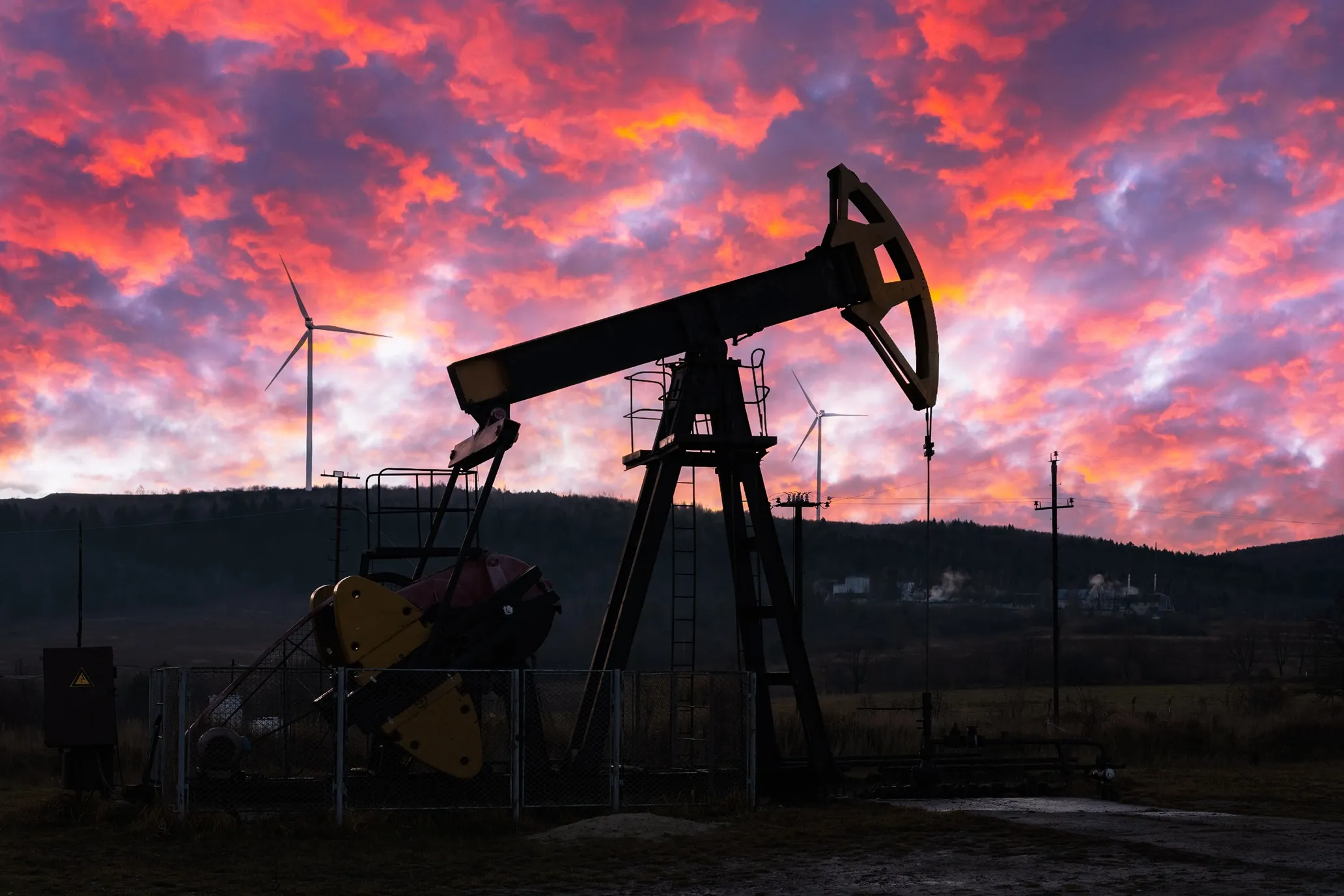
Imagine having a job in the oil and gas industry where every day you could get hurt by huge machines or sick from toxic air. That’s what it’s like for workers in Texas oil and gas extraction fields. They face really big trucks that could hurt them, slippery materials that can make them fall, and even loud noises that can hurt their ears. Roughnecks face hazardous conditions working in Texas oilfields every day.
We fight for people who are hurt. We know all about the rules to keep workers safe and what to do if an accident happens. You can call us at (866)462-5224 for a free case evaluation, and we will listen to your story and help you. Remember, you don’t have to be alone when dealing with scary situations at work. Chad Jones Law is there to help you!
We proudly serve clients throughout West Texas including Midland, Odessa, Big Spring, and College Station.
Texas oil fields can present several hazardous working conditions due to the nature of the industry and the tasks involved.
Some of these hazards include:
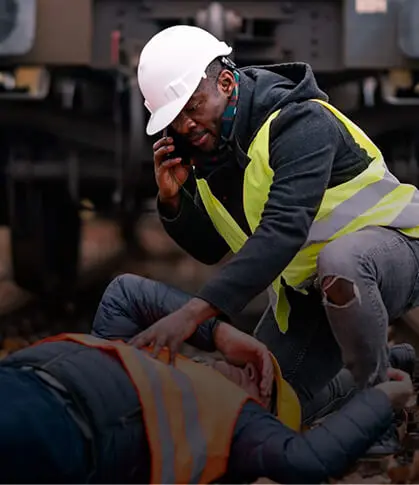
These hazardous working conditions underscore the importance of implementing comprehensive safety programs, providing proper training and personal protective equipment, conducting regular inspections, and promoting a culture of safety awareness in Texas oil fields.
Oil and gas jobs are very risky, about 100 oil workers die every year while working. This shows us that oil and gas workers are more likely to get hurt or die than people in other jobs.
There are about 119,000 people who have jobs getting oil and gas out of the ground. A lot of these workers could get hurt every day. That’s why it’s important to have strong safety rules and to make sure everyone follows them to keep all workers safe, including those who work for gas companies.
To keep oilfield workers from getting hurt, OSHA makes occupational safety rules companies must follow.
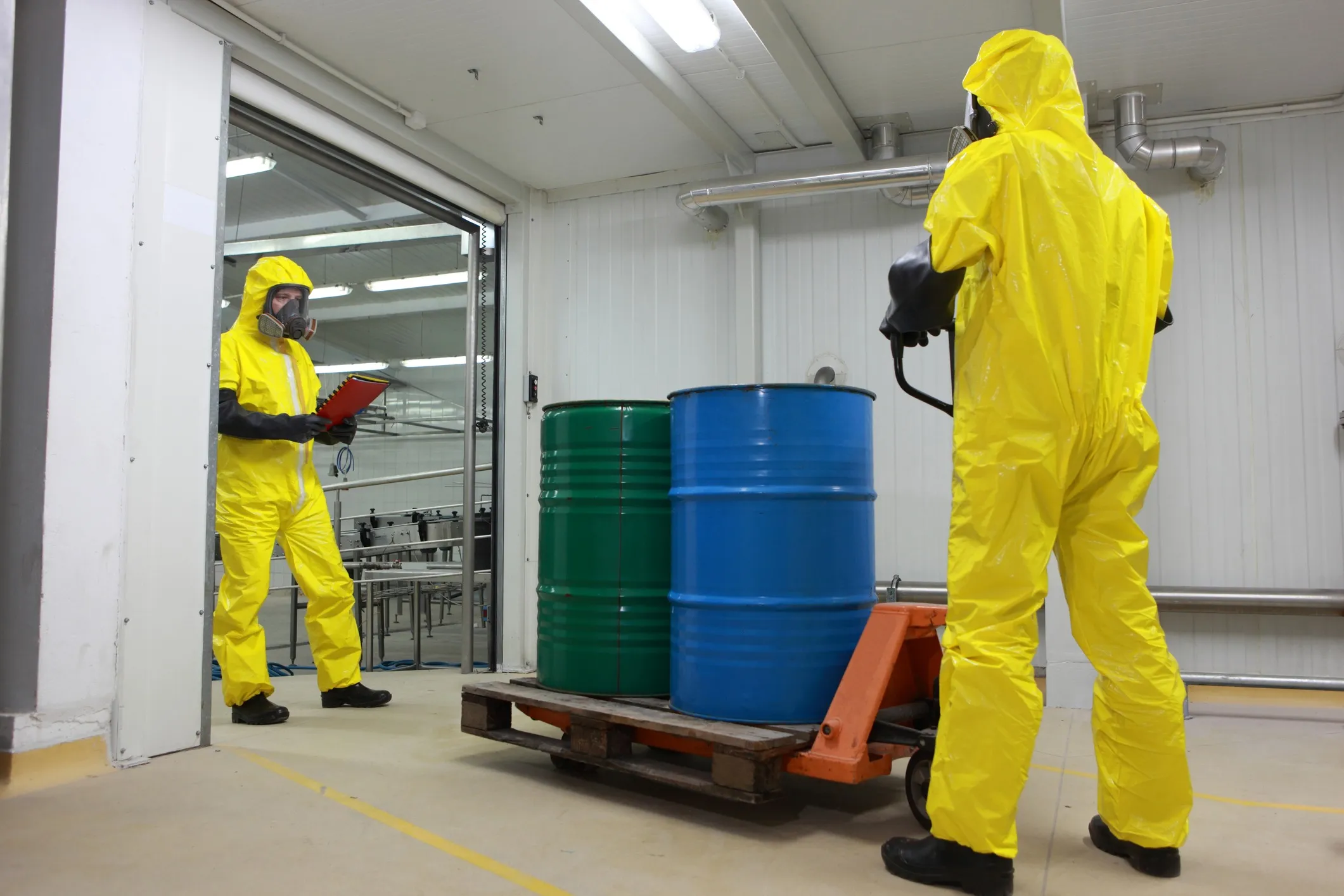
Workers have to wear special gear like:
OSHA has a big book of rules, called Standard 29 CFR 1910, that tells oil and gas workers what they need to do to be safe. Workers have the right to be safe at work. If they think their job is not safe, they can tell OSHA about it.
Getting hurt at work happens a lot to people who work in oil fields. These workers can get hurt more than people in other jobs. A lot of times, people who work getting oil and gas can even lose their lives because it’s so dangerous.
If you get hurt at work, you might need to ask for help from the law. You have to find out who made the mistake that caused your accident. It’s important to write down everything about your accident and your injuries to get the right amount of money later.
Experienced oilfield accident lawyers can talk to insurance companies for you. They can also go to court to fight for you if you need them to. At Chad Jones Law, we listen to you and help you make decisions. We also keep you updated about what’s happening with your case.
The hazardous conditions in Texas oil fields underscore the importance of prioritizing worker safety and advocating for legal protections. At Chad Jones Law, we’re committed to representing injured oilfield workers and their families, fighting for fair compensation, and promoting safer workplaces in the oil and gas industry. We always think about our clients first. We include them in big choices and tell them how their case is going. We tell workers how important it is to be safe and to learn all the safety rules to stop Texas oil field accidents.
We proudly serve clients throughout West Texas including Midland, Odessa, Stanton, Lubbock, and Abilene.
Texas gas extraction workers are careful because they work with heavy machinery and dangerous materials that can burn or make them sick, and sometimes the weather is super hot or super cold. They also get really tired because they work a lot of hours at different times, and that can make it hard to stay safe.
There are rules from a group called OSHA that tell oilfield workers and other Texas oil industry professionals what they need to wear and do to be safe. They have to wear strong helmets, boots, glasses, and special clothes that protect them from getting hurt.
If someone working in an oilfield gets hurt, there are laws to help them. They can get money to help pay for doctor visits or for the time they can’t work because they’re hurt. There are also special laws for people who work on big water rigs far from land.
Chad Jones Law helps people who get hurt in oilfields by looking at what happened very carefully, writing everything down, talking to the people who give out the money, and being ready to fight for workers in court if they have to.
You should pick Chad Jones Law if you get hurt in an oilfield because they listen to you, work hard to help you, and do everything they can to make sure you get the money you deserve for being hurt.