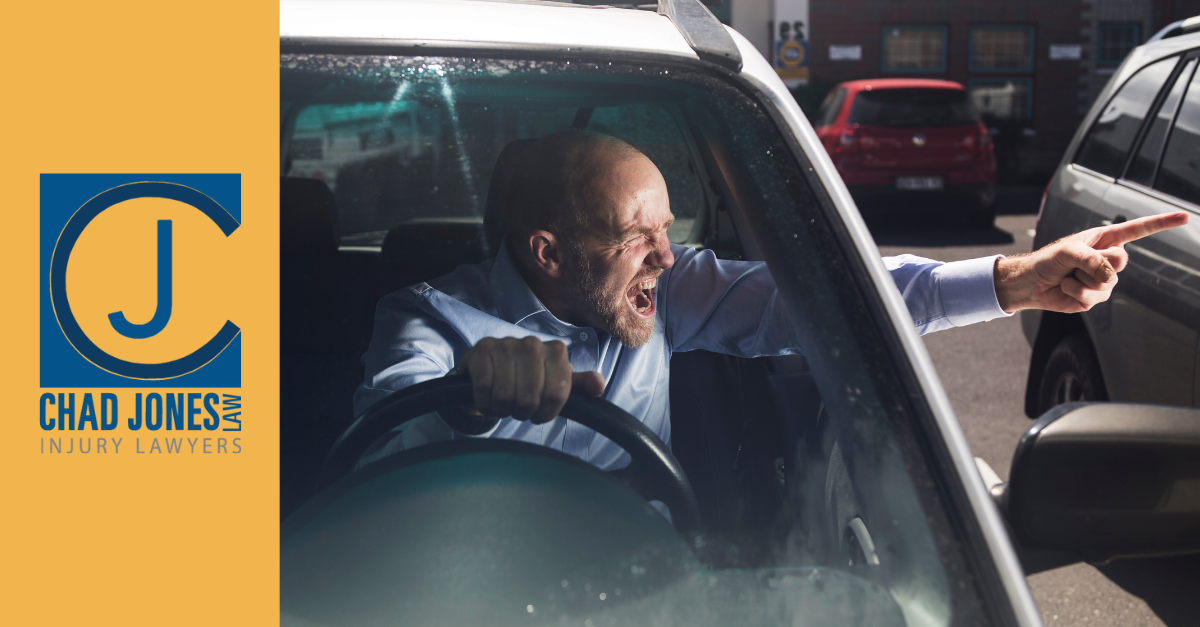
Every driver has felt the sting of frustration behind the wheel: a missed light, a sudden cut-off, a driver who refuses to merge. For most people, the moment passes. For others, it turns into something darker. Road rage is not just a burst of temper. It is a dangerous loss of control that can lead to injury, trauma, or death.
According to the National Highway Traffic Safety Administration (NHTSA), aggressive driving plays a role in more than half of all fatal crashes in the United States. The AAA Foundation for Traffic Safety adds that over 80 percent of drivers admit to experiencing anger or aggression on the road in the past year. These numbers show a reality many of us recognize but rarely address: behind the wheel, emotions can become as hazardous as any mechanical failure.
Road rage begins where ordinary frustration ends. It is a pattern of aggressive, deliberate acts designed to intimidate, retaliate, or punish another driver. It may start as tailgating or shouting through an open window, but can quickly escalate to reckless driving, physical altercations, or worse.
This distinction matters. Not every aggressive maneuver qualifies as road rage, but once intent enters the equation, so does liability. The moment a driver chooses to act on anger, they move from a traffic offender to a potential assailant.
Many car accidents that result from road rage share a commonality: they could have been prevented. Speeding, sudden braking, swerving across lanes, or using a vehicle as a weapon can all turn into collisions that cause serious injury or death.
In legal terms, these are not “accidents” in the pure sense. An accident implies a lack of intent. Road rage-related crashes often involve intent, and that can shift the entire legal framework. A driver who intentionally rams another vehicle or forces someone off the road may face both civil liability and criminal charges.
For victims, this distinction is crucial. It affects how compensation is pursued and whether punitive damages may apply. It also acknowledges a painful truth: what happened to them was not a random misfortune but a deliberate act of harm.
The physical injuries that follow a road rage incident can mirror those from any serious car accident. Victims often face broken bones, whiplash, traumatic brain injuries, and long-term pain. But the emotional scars can run even deeper.
Victims frequently describe heightened anxiety when driving, sleep disturbances, or symptoms of post-traumatic stress disorder. For some, returning to the road at all becomes a source of dread. Families, too, bear the weight of medical bills, missed work, and the emotional strain of caring for a loved one who has suffered a violent, avoidable injury.
This is why compassionate legal representation matters. It’s not only about the medical expenses or lost wages. It’s about restoring a sense of justice and peace after a moment of uncontrolled anger forever changed someone’s life.
Not all road rage incidents result in a car crash, but they can still cause harm. A driver who gets out of their car to confront someone, blocks another vehicle, or uses threats or weapons can cause physical and emotional injuries even without contact between vehicles.
These situations fall under personal injury law rather than motor-vehicle accident claims. The same principle applies: when someone’s deliberate actions cause harm, they can be held responsible for the consequences. Victims may seek compensation for medical costs, therapy, lost income, and pain and suffering.
Some cases also qualify as wrongful death if the confrontation turns fatal. Families left behind often face complex legal paths that intertwine criminal and civil proceedings. Having a lawyer who understands both dimensions of these cases becomes essential.
Psychologists point to several triggers for aggressive driving: stress, fatigue, anonymity, and a perception of territory. The car becomes a shield that disconnects drivers from the consequences of their actions. For some, it’s a place where suppressed anger finds release.
Modern life doesn’t help. Long commutes, crowded highways, and digital distractions all contribute to shorter tempers. Even music volume, temperature, or hunger can influence a driver’s patience. Recognizing these factors doesn’t excuse the behavior, but it does offer insight into how to prevent it.
Prevention starts with awareness. The best defense against road rage is knowing how to de-escalate and when to disengage.
Stay calm. If another driver cuts you off or drives aggressively, resist the urge to respond. Eye contact, gestures, or verbal exchanges can worsen the situation.
Create distance. Slow down or take another route. The few seconds lost are worth your safety.
Avoid engagement. Never follow or confront another driver. Pull over safely if you feel threatened and call local authorities.
Model patience. Courtesy can diffuse tension on the road. Using signals, allowing merges, and maintaining a steady pace contribute to safer, calmer driving environments.
These small acts of restraint can save lives. They remind us that control is not about winning the encounter but ensuring everyone gets home safely.
When road rage results in a car accident or personal injury, victims often face confusion about what comes next. Police reports, insurance claims, and legal terminology can quickly become overwhelming.
In cases of intentional aggression, insurance coverage may be limited. Many policies exclude intentional acts, meaning the at-fault driver’s insurer might refuse payment. In such instances, victims can pursue compensation through civil lawsuits. This process may recover damages for medical expenses, lost income, emotional distress, and property damage.
If a road rage incident leads to death, families may file a wrongful death claim. These cases aim to hold the responsible party accountable while providing financial support for funeral expenses, loss of companionship, and future income.
Legal professionals play a vital role here. They can help gather evidence, reconstruct events, and demonstrate intent — all of which affect how the case is classified and compensated.
Road rage reflects more than bad driving. It speaks to how we handle frustration and conflict in daily life. Choosing patience over aggression is an act of responsibility and empathy.
Communities benefit from better awareness and enforcement. Educational programs, stress-management campaigns, and stricter penalties for aggressive driving have already shown positive effects in several states.
For individuals, it starts with a simple choice every time they enter the driver’s seat: to remain in control, not only of the car but of themselves.
At Chad Jones Law, we see the aftermath of road rage far too often — the injuries, the trauma, and the unanswered questions. Each case reminds us that what happens on the road is never just about vehicles or traffic laws. It is about people, their safety, and their right to share the road without fear.
If you or a loved one has been harmed in a road rage incident or any car accident caused by another driver’s negligence or aggression, you have legal options. Knowledge is the first step toward justice, and calmness behind the wheel is the first step toward prevention. Contact us!