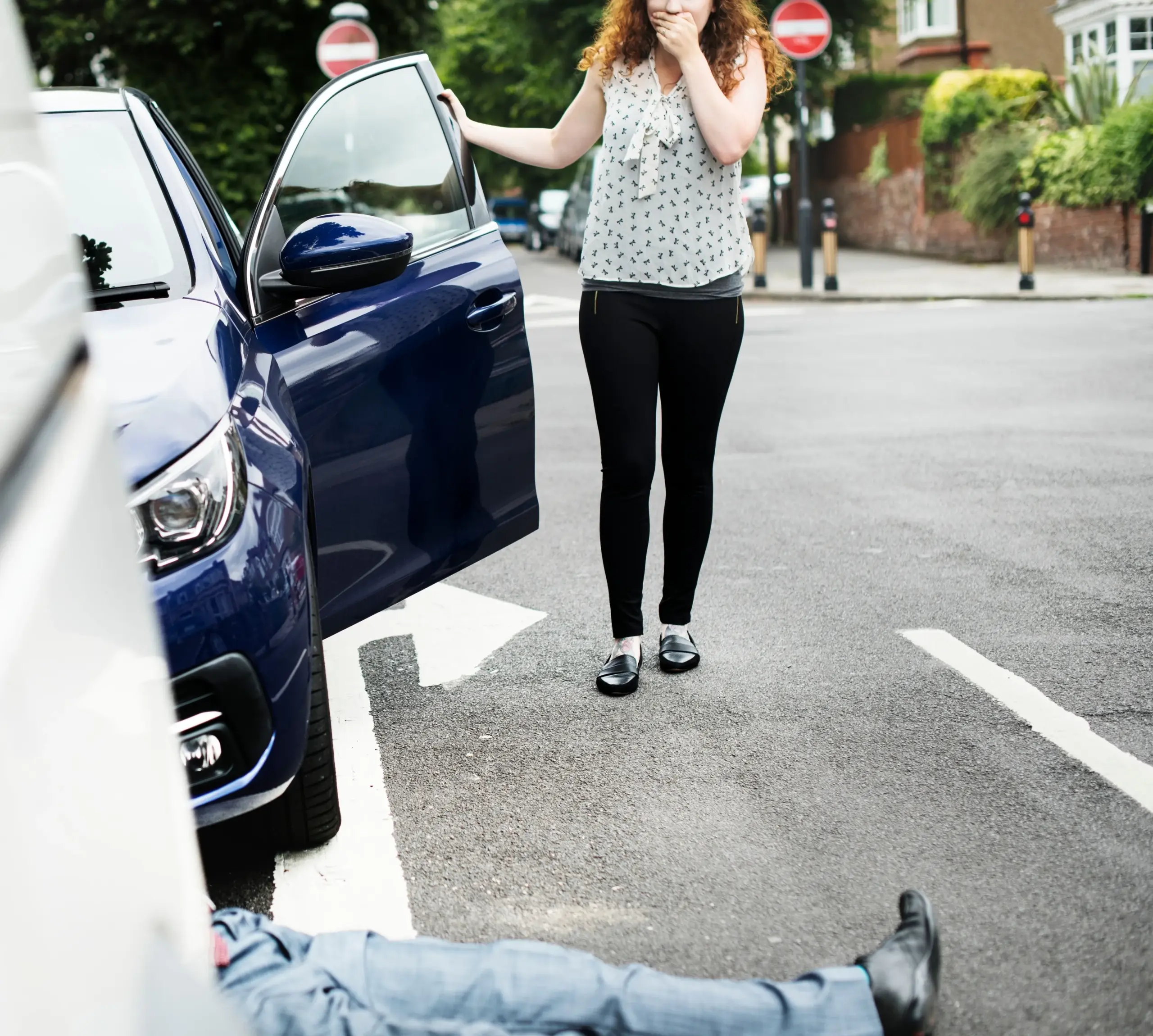
Pedestrian accidents can be devastating and life-altering events, resulting in severe injuries, emotional trauma, and financial strain. Knowing your rights and responsibilities as a pedestrian or driver in Texas is crucial for navigating the aftermath of an accident and ensuring that you can protect your rights and seek compensation if needed.
At Chad Jones Law, we will walk you through the essential aspects of Texas pedestrian laws, the impact of pedestrian accidents, legal steps to take after an accident, and how our Texas pedestrian lawyers can help you fight for the compensation you deserve. Call Chad Jones Law today at 979-406-6844 for a free consultation, because your safety and well-being matter to us.
Understanding Texas pedestrian laws aids in resolving pedestrian accident claims. Both pedestrians and drivers have specific rights and responsibilities that they must follow to prevent accidents and ensure everyone’s safety on the road. Engaging with Texas pedestrian accident lawyers at Chad Jones Law can ease th
e legal process and streamline the pursuit of substantial compensation.
In Texas, pedestrians generally have the right of way, but both drivers and pedestrians must exercise caution when in proximity to one another. Understanding these rights and responsibilities can
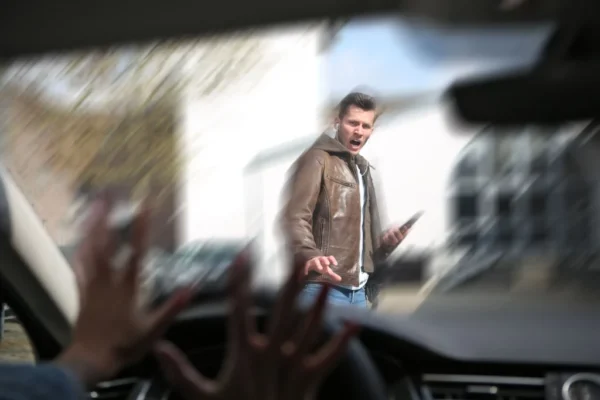
help avoid catastrophic or fatal injuries resulting from pedestrian accidents.
Pedestrians in Texas have the right of way in crosswalks that do not have traffic signals, provided they yield to vehicles if they are crossing anywhere except for a marked or unmarked crosswalk. Using crosswalks plays a significant role in protecting pedestrians, as it mitigates the risk of motor vehicle accidents involving pedestrians.
Under Texas law, pedestrians are obligated to adhere to posted traffic signals and traverse only on permissible paths, such as sidewalks or road shoulders if allowed. This strategy aids in avoiding car accidents involving pedestrians.
Motorists have a greater responsibility when children are pedestrians, as children are more vulnerable to serious injuries, such as traumatic brain injuries, in case of an accident.
Drivers in Texas must remain alert when pedestrians are present, particularly in residential areas where children may be present. They must exercise caution and give way to pedestrians in certain circumstances, including at crosswalks and intersections. In case of an accident, our personal injury attorneys can help the victim seek compensation for their injuries.
Drivers should stay alert and continuously watch for pedestrians while driving, as this can avert severe or fatal injuries in pedestrian accidents. Following these duties can help avoid fatal pedestrian crashes and ensure the safety of both drivers and pedestrians on the road.

Pedestrian accidents in Texas can cause serious injuries and deaths, with vulnerable populations such as children and the elderly being more susceptible to pedestrian injuries. In 2021, there were more than 5,000 pedestrian accidents in Texas, ranking the state 12th in the nation for pedestrian accidents. These sobering statistics underscore the significance of comprehending and adhering to pedestrian safety laws.
Driver negligence is a frequent cause of pedestrian accidents in Texas. Malfunctioning traffic signals, inadequately designed intersections, and insufficient infrastructure designed to protect pedestrians are also common causes.
Texas experiences a substantial number of pedestrian fatalities and injuries annually, emphasizing the importance of pedestrian safety. In 2021, pedestrian accident deaths accounted for 20 percent of Texas’s total motor vehicle accident fatalities. Moreover, Texas had a rate of 0.93 pedestrian fatalities per 100,000 people, placing it 13th highest among the states.
Over the past five years, pedestrian traffic fatalities in Texas have risen by 29.6 percent, representing one in five of all roadway fatalities. In 2022, 829 fatal pedestrian accidents and 1,526 serious injuries were reported in Texas. These figures underscore the gravity of pedestrian accidents in the state, emphasizing the urgent need for improved safety measures and awareness, especially considering the fatal pedestrian crashes involved.
Taking the right steps after a pedestrian accident can help protect your rights and strengthen your claim. In the event of a pedestrian accident, it’s crucial to get medical attention, amass evidence, and engage with a Texas pedestrian lawyer to guide you through the legal process and seek compensation.
Being hit by a car can be a traumatizing and life-changing event. Hiring a lawyer from Chad Jones Law after a pedestrian accident, which can also be referred to as a car accident involving a pedestrian, can provide guidance and support in your pursuit of compensation. We can assist you in examining your case and identify who is responsible. Additionally, we will make sure that your compensation case is well-structured.
Obtaining medical attention right after an accident is vital for both your health and the documentation of your injuries. Even in the absence of palpable pain or discomfort after the accident, it’s important to seek medical attention quickly as some injuries might not be immediate.
Receiving immediate medical attention after a pedestrian accident is beneficial for documenting injuries as it provides medical reports that can be used as evidence for any personal injury claim. These reports demonstrate the injuries sustained and establish a clear link between the accident and the injuries, which is crucial for pursuing compensation.
Gathering evidence, such as photographs and testimonies from witnesses, can be used to bolster the argument for compensation. To properly collect witness statements after a pedestrian accident, it is important to gather statements as soon as possible, preferably at the scene of the accident or soon afterward. Speak with willing witnesses and request they create and sign a brief statement describing what they saw.
Ensure the statement encompasses accurate details about the accident, including the parties involved, the event sequence, if road rage was involved, and the time it happened. Safeguard and secure the witness statements as they are essential evidence in your pedestrian accident claim. This evidence can help build a strong compensation case and establish the at-fault party’s liability.
Contacting a pedestrian accident lawyer can help you navigate the legal process and fight for the compensation you deserve. A pedestrian accident attorney can assist you in obtaining compensation for any categories of damages to which you are legally entitled, such as:
Individuals can reach out to Chad Jones Law to schedule a complimentary case evaluation. Our experienced personal injury attorneys can provide guidance and support throughout the process, ensuring that you receive the compensation you deserve after a pedestrian accident.
Pedestrian accident victims can pursue compensation for both economic and non-economic damages resulting from their pedestrian accident injuries.
Economic damages refer to the measurable financial losses incurred, such as medical expenses and lost wages.
Non-economic damages, on the other hand, are intended to provide compensation for losses that are not easily quantifiable, such as pain and suffering and emotional distress.
Proving liability in a Texas pedestrian accident case involves establishing negligence and understanding comparative fault rules. By establishing the negligence of the party at fault, you can receive compensation for the damages incurred due to the pedestrian accident.

Economic damages in a pedestrian accident case cover measurable financial losses, such as medical bills and lost wages. These expenses can be accurately calculated based on the documented medical costs. Lost wages, on the other hand, are calculated by assessing the actual lost earnings and the amount of lost work time as evidence.
Recovering economic damages can help alleviate the financial stress experienced by pedestrian accident victims. By compensating for these measurable financial losses, victims can focus on their recovery and move forward after the accident.
Non-economic damages compensate for subjective losses that are not easily quantifiable, such as pain and suffering and emotional distress. The value of non-economic damages in Texas pedestrian accident cases is typically calculated by multiplying the total economic damages by a number agreed upon by the parties, usually between 1.5 and 5.
When determining the amount of non-economic damages in a Texas pedestrian accident case, considerations include:
While non-economic damages may be more difficult to quantify, they play a crucial role in compensating victims for the intangible suffering they have endured.
To be successful with a pedestrian accident lawsuit in Texas, a plaintiff must demonstrate that the defendant was careless and that their carelessness directly caused the incident and the plaintiff’s losses. This involves establishing negligence, which includes proving that the at-fault party breached their duty of care, causing the accident and resulting injuries.
Texas adheres to comparative fault rules, which permit partial compensation if the pedestrian bears less than 51% responsibility for the accident. This means that even if the pedestrian is partially responsible for the accident, they may still be eligible for some compensation, provided that their responsibility is less than 51%.
Establishing negligence in a pedestrian accident case requires proving that the at-fault party breached their duty of care, causing the accident and resulting injuries. In terms of Texas pedestrian laws, duty of care refers to the legal responsibility of drivers to exercise due caution and take necessary precautions to avoid colliding with pedestrians on the roadway.
By demonstrating a breach of duty and providing evidence of the damages suffered by the pedestrian, you can establish negligence and hold the at-fault party accountable for their actions. This is a crucial step in recovering compensation for the damages you have suffered as a result of the pedestrian accident.
In Texas, comparative fault rules apply, meaning that each party involved in the accident can be held responsible for their proportion of fault. The total compensation awarded to the injured party is then reduced by their percentage of fault. The accident victim must demonstrate that they were less than 51% at fault to pursue compensation.
Understanding and navigating these comparative fault rules is essential in maximizing the compensation you can recover for your pedestrian accident claim. By proving that you were not primarily at fault for the accident, you can ensure that you receive the compensation you deserve for your injuries.
In Texas, there’s a two-year statute of limitations for lodging a pedestrian accident claim. This means that you have a limited timeframe to take legal action and pursue compensation for your injuries. Failing to act promptly and file your claim within this time limit can result in losing your right to recover compensation.
It is essential to begin collecting evidence and building your case as soon as possible after the accident. By acting promptly and consulting with our accident injury lawyers, you can ensure that your case is filed within the statute of limitations and that you have a great chance of receiving the compensation you deserve.
Chad Jones Law can assist with your pedestrian accident claim by offering professional legal counsel, constructing a robust case, and advocating for the compensation you rightfully deserve. Our experienced personal injury attorneys can provide guidance and support throughout the process, ensuring that you receive the compensation you deserve after a pedestrian accident.
Reach out to Chad Jones Law at 979-406-6844 to schedule a complimentary case evaluation. Our knowledgeable legal team will work tirelessly to advocate for your rights and help you recover the compensation you need to move forward after a pedestrian accident.
In Texas, pedestrians are expected to be responsible when using the roads and may be held liable if they fail to do so and an accident occurs.
In Texas, drivers in the main thoroughfare of a parking lot have the right of way. However, always remember to yield to pedestrians who have the right of way at all times.
Pedestrians in Texas have the right of way in crosswalks without traffic signals but must yield to vehicles when crossing elsewhere. They must also follow posted traffic signals and stay on permissible paths such as sidewalks or shoulders where allowed.