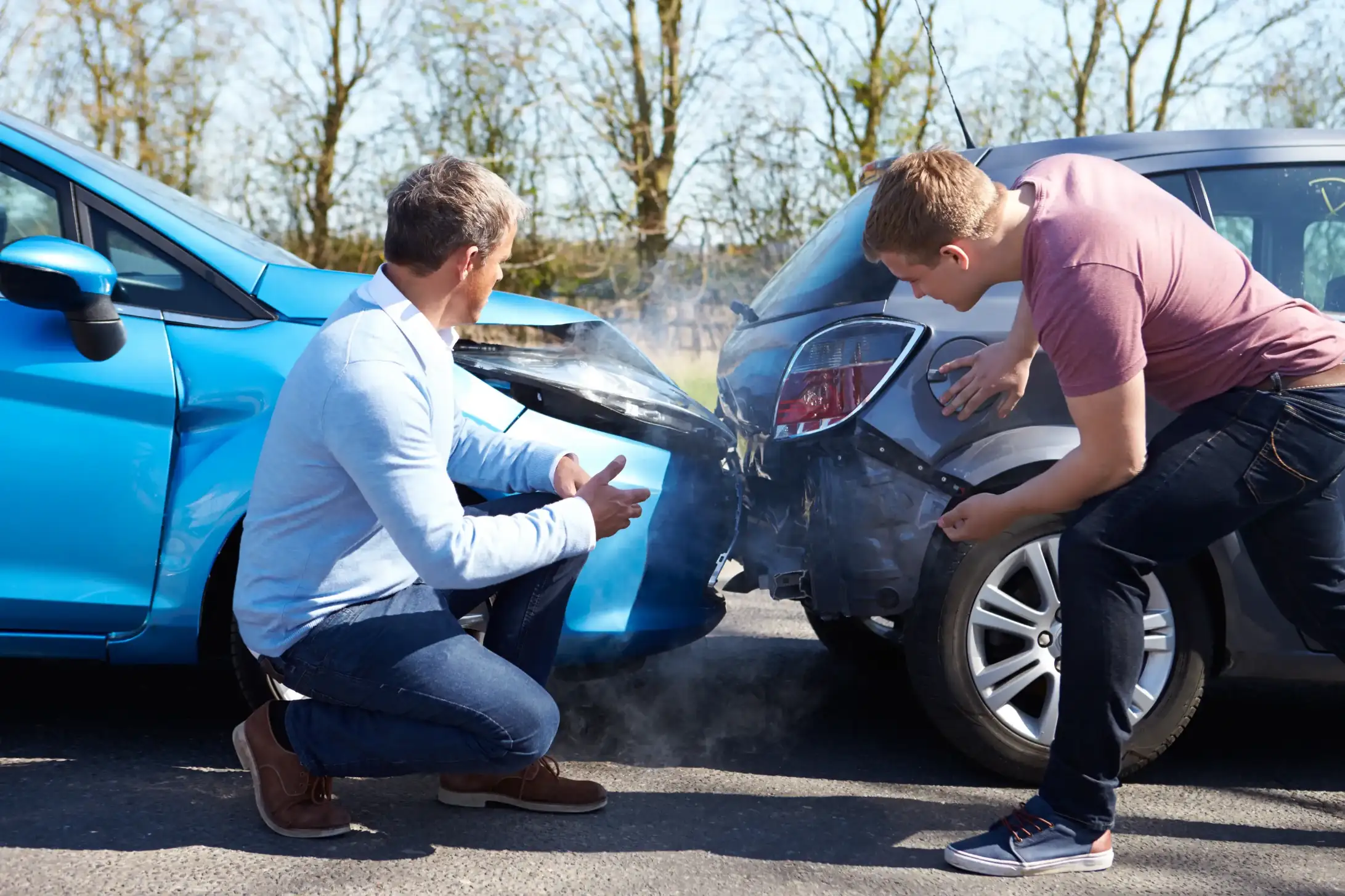
Many car accidents happen on the Texas A&M University campus, and determining the cause and liability is necessary to protect your rights. Drivers are often liable for crashes, and causes can include distracted driving, speeding, and other driving errors by students, faculty, delivery drivers, and others visiting campus.
If you suffered injuries in a campus car crash, you may have legal rights to pursue compensation for your injuries, pain and suffering, and other related losses. You also have the right to seek medical care, file an insurance claim or lawsuit within the required deadlines, and hold any responsible driver or entity accountable under Texas law.
Campus car accidents occur frequently because colleges concentrate multiple collision risk factors in confined spaces. Texas A&M and Blinn College campuses experience higher accident rates than typical roadways due to several overlapping hazards.
Thousands of students, faculty, and visitors walk and bike across campus daily, creating constant interaction between vehicles and vulnerable road users. Crosswalks experience heavy foot traffic during class transitions, increasing the likelihood of pedestrian-vehicle collisions.
Roads like University Drive and Wellborn Road near Texas A&M handle concentrated traffic during peak hours. Parking facilities near lecture halls, dormitories, and athletic venues see continuous vehicle movement as students arrive for classes, leave campus, and attend events.
Many student drivers are young and relatively inexperienced. Distracted driving, including texting, navigation system use, and passenger conversations, contributes significantly to campus accidents. Drivers unfamiliar with campus layouts misjudge intersections, fail to anticipate frequent crosswalks, and struggle with sudden stops.
Campus traffic patterns shift constantly as classes begin and end throughout the day. Delivery vehicles, rideshare drivers, university buses, and maintenance carts add unpredictable elements to already congested areas.
Speeding through parking lots, failure to yield at crosswalks, running stop signs at campus intersections, and aggressive lane changes during rush periods all increase accident frequency on and around college campuses.
Distracted driving is one of the leading causes of campus accidents. Drivers texting, adjusting navigation systems, or engaging with passengers fail to notice pedestrians, cyclists, or sudden traffic changes. Younger students are some of the most likely drivers to engage in phone-related distractions while driving.
Traffic violations are often a cause of accidents. Campuses can have strict driving rules, but violations such as speeding, failure to yield, and running stop signs still happen frequently. When drivers are negligent and collide with another car, serious injuries can result, requiring a liability determination.
Responsibility for a campus car accident depends on what caused the crash. In many cases, another driver’s careless behavior leads to the collision. In other situations, unsafe conditions contribute to the incident. Poor lighting, missing signage, blocked sightlines, or neglected maintenance can all play a role.
Some campus roads and parking facilities fall under university control, while others are public streets. This distinction can affect how liability is evaluated. Evidence such as maintenance records, surveillance footage, witness statements, and accident reports helps clarify how and why the crash occurred.
Campus car accidents can cause a wide range of injuries, even at low speeds. Pedestrians and cyclists face the greatest risk, though drivers and passengers may also suffer significant harm.
Common injuries include:
Some injuries require ongoing treatment, physical therapy, or extended time away from school or work. Symptoms may not appear immediately, which makes follow-up medical care especially important.
Texas law protects the rights of individuals injured in car accidents, including those that occur on college campuses. When negligence causes injury, the law holds the negligent party liable for the losses of other injured parties. When injured accident victims exercise their rights, compensation may be available for some or all of the following:
Deadlines apply to injury claims, and evidence can become harder to gather as time passes. Identifying your rights as soon as possible can help you take proper action to protect your claim and potential compensation.
Car accidents on college campuses can lead to serious injuries and lasting consequences. If you were hurt in a campus-related crash in Texas, you have the right to pursue compensation for your losses. Chad Jones Law represents injured individuals across Texas and provides guidance during difficult times. Call (979) 595-5000 or contact us online to discuss your situation and learn more about your legal options.